Birding in the Eastern Cape: Hogsback, Addo and Beyond
The Eastern Cape is where several of South Africa’s habitats meet: Afromontane forest, Karoo plains, thicket and a long, wild coastline. That makes for varied birding, and some species that are easier to find here than anywhere else. Here are four places to start.
1. Hogsback
A village in the forests of the Amathole Mountains, and the best-known place in South Africa to see the endangered Cape Parrot. Early mornings, when the parrots fly over calling loudly, are magical.
Look for: Cape Parrot, Knysna Turaco, Chorister Robin-Chat, Bush Blackcap and Olive Woodpecker.
Tip: Listen for the parrots’ harsh, screeching calls at first light. They are usually heard well before they are seen.
2. Addo Elephant National Park
Famous for its elephants, Addo also has excellent birding across its dense thicket and open grassland, and its waterholes give you time to watch.
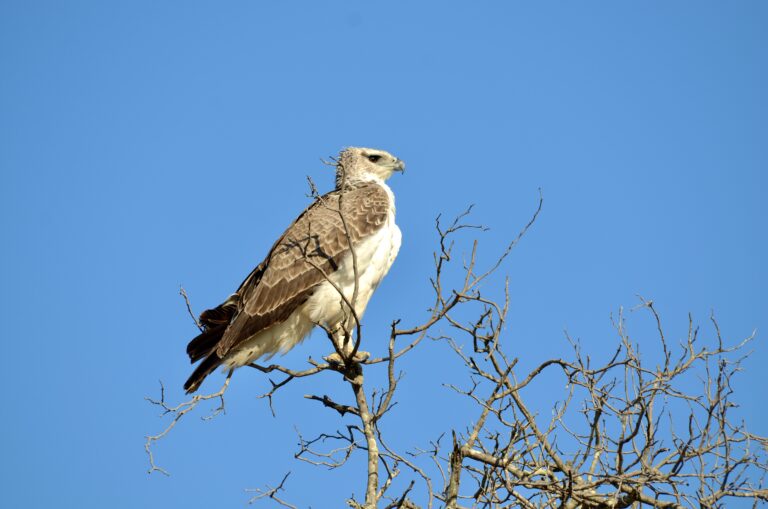
Look for: Denham’s Bustard in the grassland, Southern Tchagra in the thicket, and raptors such as Jackal Buzzard and Pale Chanting Goshawk.
3. Bird Island, Algoa Bay
Bird Island, part of Addo’s marine section, is home to one of the largest Cape Gannet colonies in the world. The island is protected, so the colony is seen from the water.
Look for: Tens of thousands of Cape Gannets, plus seabirds on the way out.
Tip: Look for licensed boat trips from Gqeberha (Port Elizabeth). Calm days give the best views.
4. Mountain Zebra National Park, Cradock
A mountain plateau on the edge of the Karoo, with open grassland and rocky slopes. It is a good place to pick up birds of drier country.
Look for: Ground Woodpecker on the rocky slopes, Verreaux’s Eagle along the ridges, and larks and chats on the plateau.
When to go birding in the Eastern Cape
The Eastern Cape can be birded year-round. Spring and summer bring migrants and breeding activity. Winter is cold in the mountains and Karoo, so pack accordingly for Hogsback and Mountain Zebra.
What to pack for Eastern Cape birding
Hogsback mornings are cold and misty, so a hoodie is a must. A canvas and leather binocular strap makes long forest walks easier, and a leather field guide cover keeps your field guide dry in the mist.